
First hour on site: $80–$180
Covers getting a licensed plumber to you and starting the work. Ask before booking, not after the invoice arrives.
A licensed, insured plumbing crew working the streets around Paddington week in and week out. Everyday repairs and planned work, priced up front, finished in one visit wherever the parts allow.
Most people meet a plumber at the worst possible moment, which gives the trade a reputation for emergencies it only half deserves. The larger part of the work is planned and unglamorous: a hot water system reaching the end of its life, taps and mixers that have started to weep, toilets that run, a gas appliance that needs connecting properly, and the rough-in behind every bathroom and kitchen renovation.
We work across Paddington, Woollahra, Darlinghurst, Edgecliff and the wider Eastern Suburbs, which matters more for the small jobs than the large ones. A tap washer is not worth a ninety minute drive to anybody, and that is exactly how suburbs get quietly neglected by operators covering the whole city from one depot.


The expensive mistakes in a fit-out happen in the first week, not the last. Fixture positions that need a waste where there is a beam, a coffee machine that needs more flow than the existing line will give, a grease arrestor sized for the previous tenant's menu rather than yours.
Bring a plumber in at the drawings, not at the handover. An hour spent over a plan changes what is possible; the same hour after the slab is poured only changes the price.
Apartment work is often less about the plumbing and more about coordination: getting into the unit below to see where it is landing, booking a lift, giving notice for water shutdown to a whole line of lots.
A plumber who does this regularly plans for it. If we need to isolate a riser, we will tell you what notice the building requires and work to it, because turning up and shutting water off to twelve apartments unannounced is how a small job becomes a building-wide complaint.
Paddington’s rows of 19th-century terraces still run on original clay and earthenware drains that crack, sag and block. CCTV shows us the whole story.
The skill on a period property is not the plumbing, it is getting to it. Lath and plaster, original tiling, pressed metal, tessellated verandah floors and cedar joinery are all things that cost far more to reinstate than the repair underneath them costs to complete.
So the sequence matters: locate precisely first, open the smallest possible area, and agree what gets cut before anything does. Detection gear earns its keep here more than anywhere else.
Clay is not a defect. It is rigid, round and predictable, and a well laid clay line can outlast the house above it. What ages is the joints: short pipe lengths mean many of them, and the mortar or rubber ring at each one is the part that gives.
That geometry is why a clay line is usually the easiest kind to repair properly. The barrel is generally still sound, so the work is sealing joints rather than replacing pipe, and that can be done without opening the yard.
The most useful thing a plumber can give a keen gardener is the run of the sewer and the stormwater across the block. Once you know where the lines sit, the planting decisions make themselves and the next twenty years get considerably cheaper.
The suburb’s leafy, tree-lined streets mean roots constantly work into old joints and cracks, a leading cause of blockages here.
As a rough guide: nothing thirsty within about three metres of a sewer line, and nothing at all directly over an inspection opening you may one day need to reach. We will mark it out while we are there if you ask.
If something backs up at roughly the same spacing each time, eighteen months, then eighteen months again, that is not bad luck and it is not what anyone is putting down the sink. It is a fixed defect filling at a predictable rate.
The interval is genuinely diagnostic. Fast regrowth points at a live root mass through an open joint; slow build points at grade or debris. Keep the dates on a note in your phone, they tell a plumber more in ten seconds than a description of the symptoms.
Adjoining terraces and converted flats often share drainage, so a single blockage affects neighbours. The right access and a camera sort it.
In a strata building the dividing line is usually whether the pipework serves your lot alone or more than one. A branch inside your walls feeding only your bathroom is generally yours; the stack it joins, and anything in common property, generally is not.
Getting that settled before the work starts is what stops an invoice becoming an argument. We are used to writing it up so the strata manager has what they need, and we would rather spend ten minutes on it up front than have you chasing reimbursement for a month.
Covers getting a licensed plumber to you and starting the work. Ask before booking, not after the invoice arrives.
Business hours across Sydney in 2026. Out-of-hours work costs more for the obvious reason and should be disclosed up front.
One fixture, one visit, minor parts included. Taps, toilets, valves and the flexible hoses that quietly fail.
Elements, thermostats, tempering valves and anodes. Worth doing on a tank with years left, not worth doing on one that is corroded through.
Renovation rough-in, gas work and excavation get a written number before a tool comes out, not an estimate that drifts.
Figures reflect the 2026 Sydney market rather than a quote. You get your own number, in writing, first. Figures here are indicative of the 2026 Sydney market rather than a quote from us, you get your own number as a fixed price before any work starts.
You get a tradesperson on the phone rather than a booking agent reading a script. Most faults can be narrowed down from the description alone, including the ones that do not need a visit.
Whoever is working closest to Paddington takes it, which is why same-day is usually possible and why the van already carries what the job is likely to need.
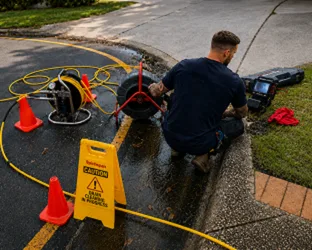
We find the actual cause rather than the visible symptom, show you, and give you a fixed figure. You decide with the number in front of you.

The repair is finished and proven on the spot, the site is left tidy, and any certificate the work requires comes with it.
Leave your details and a licensed plumber will call back, tell you what it is likely to be, and book it only if it actually needs booking.
Licensing, pricing, timing and the things worth asking before anyone starts.

Phone is quickest. The form works just as well, and it reaches the crew covering Paddington rather than a national call centre.

Leave your details and our local Paddington team will call you back fast.